DELIVERY K
Customer Journey Segmentation & Strategy
Context
When I first joined the project, the ad campaigns were targeting all existing app users without segmentation.
This approach created two major problems:
It was difficult to measure real ROAS because loyal users tended to purchase multiple times, inflating performance data.
The ads lacked behavioral targeting — we couldn’t tell whether users were new, inactive, or in the middle of their decision journey.
At the same time, the content on social and paid ads was limited to restaurant and food introductions, which didn’t align with each user’s stage in the customer journey.
Solutions:
I restructured the campaign around a full-funnel approach, mapping the user journey from Acquisition → Conversion → Retention.
The goal was to:
Segment users based on their app behaviors (install, open, add to cart, purchase).
Define measurable objectives for each funnel stage.
Align content pillars with audience intent and business goals.
I designed a diverse set of ad creatives and message variations tailored to each audience segment within the funnel.
For new users, I emphasized key brand USPs: exclusive Korean restaurant partnerships and the authentic Korean dining experience to drive awareness and first-time installs.
For users who had installed but not yet ordered, I created retargeting ads that focused on limited-time promotions and the app’s simple ordering flow to encourage first purchases.
For existing or loyal users, I developed content that introduced new restaurant partners, highlighted feature updates, and showcased ongoing promotions to sustain engagement and repeat orders.
Result:
Validation:
Brand Identity
Context
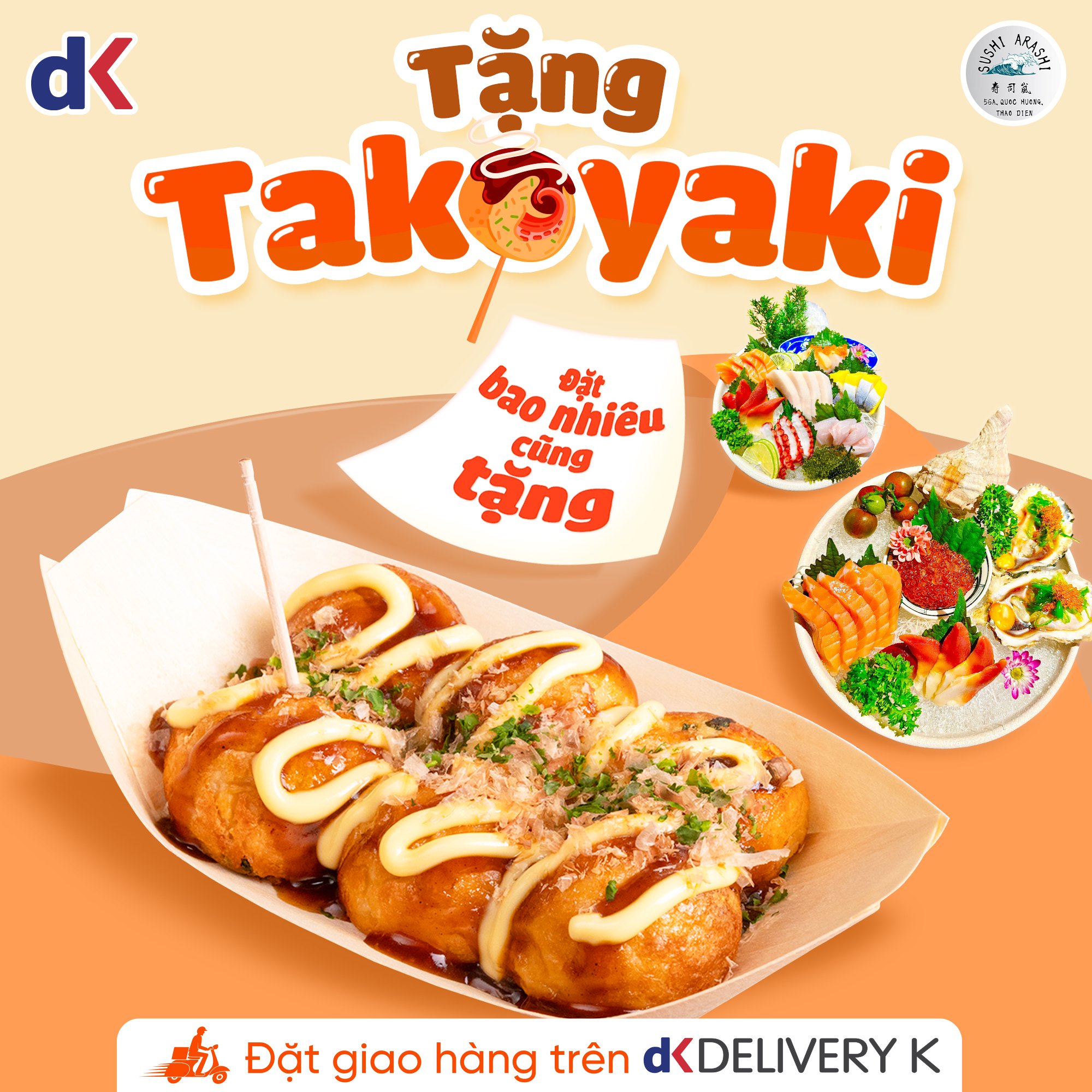
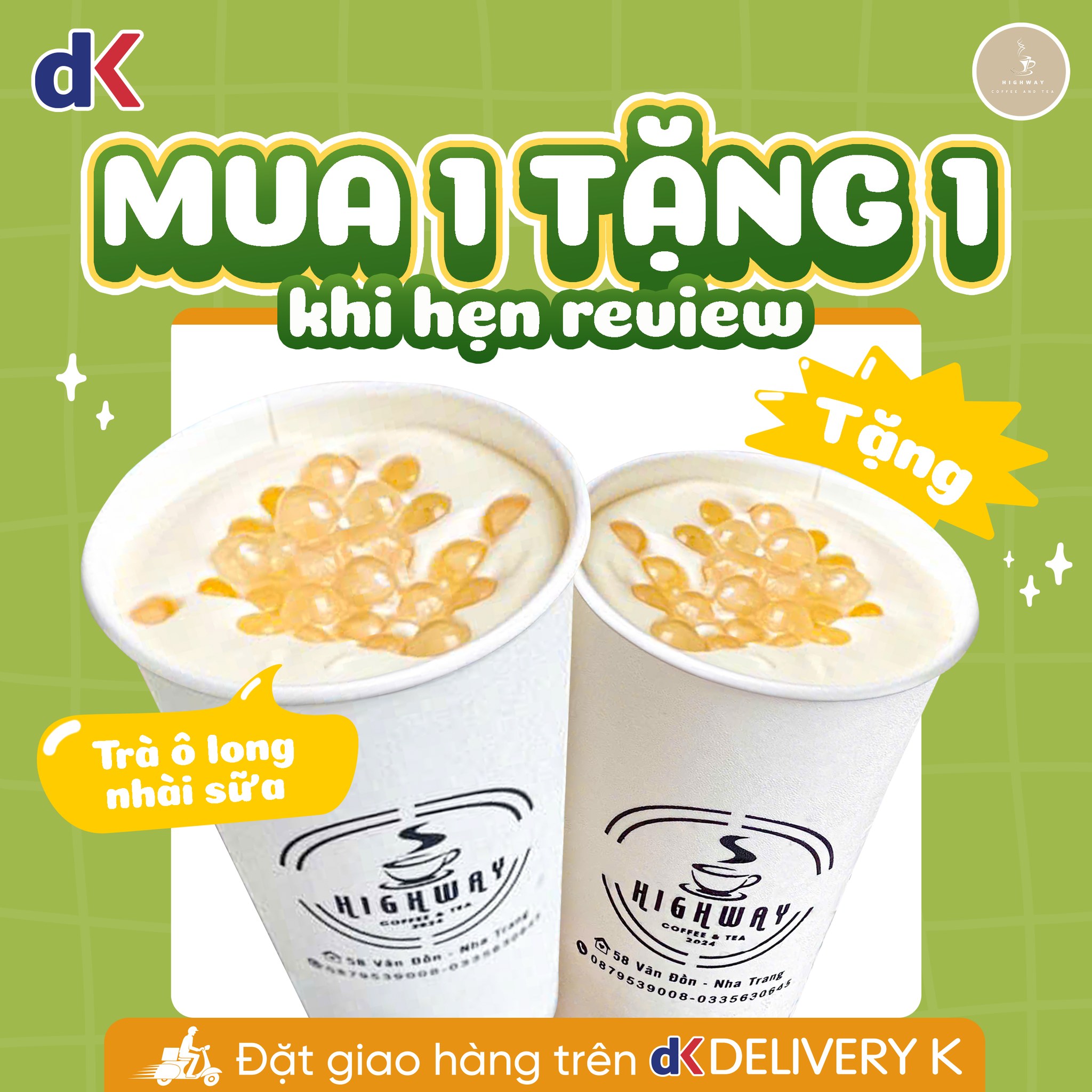
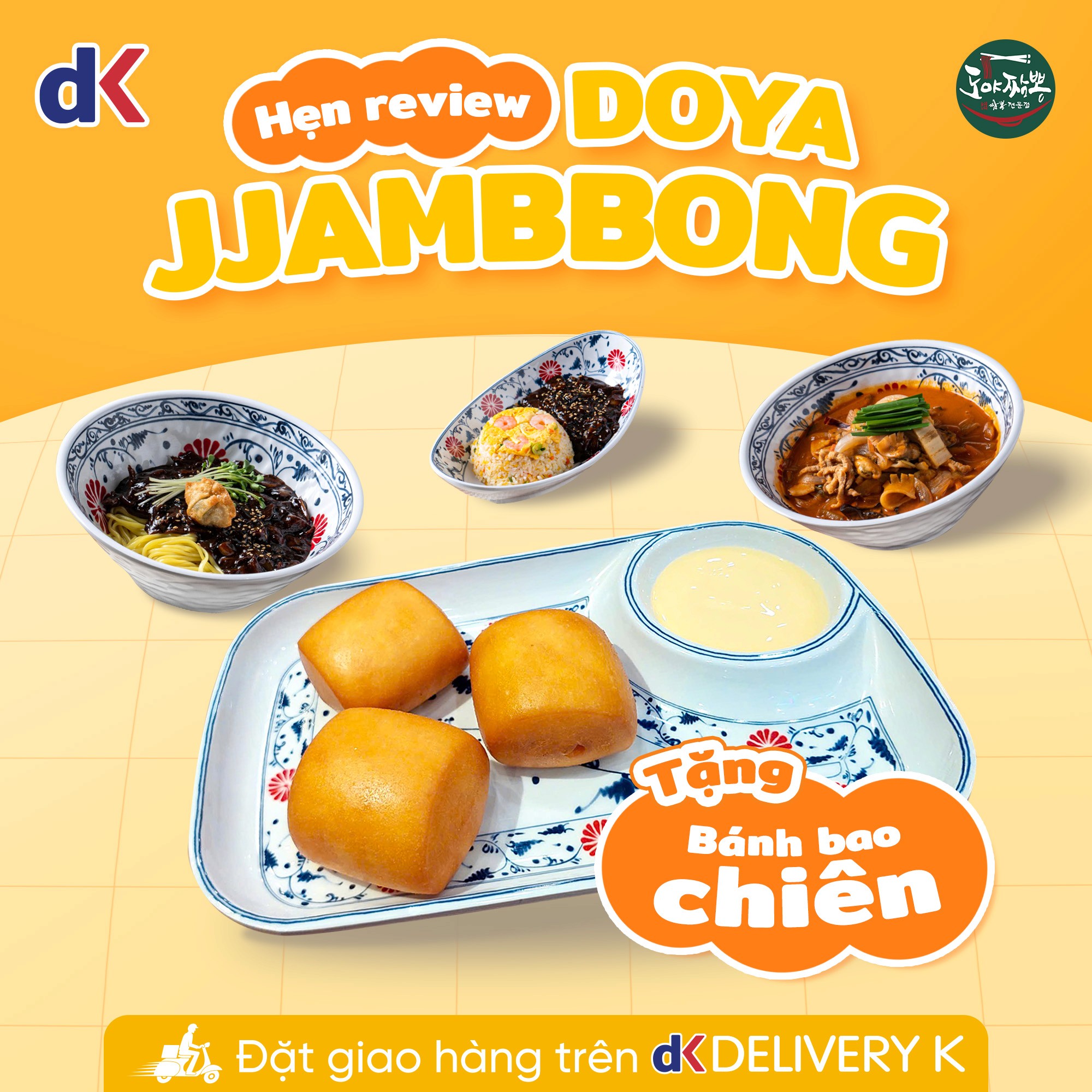
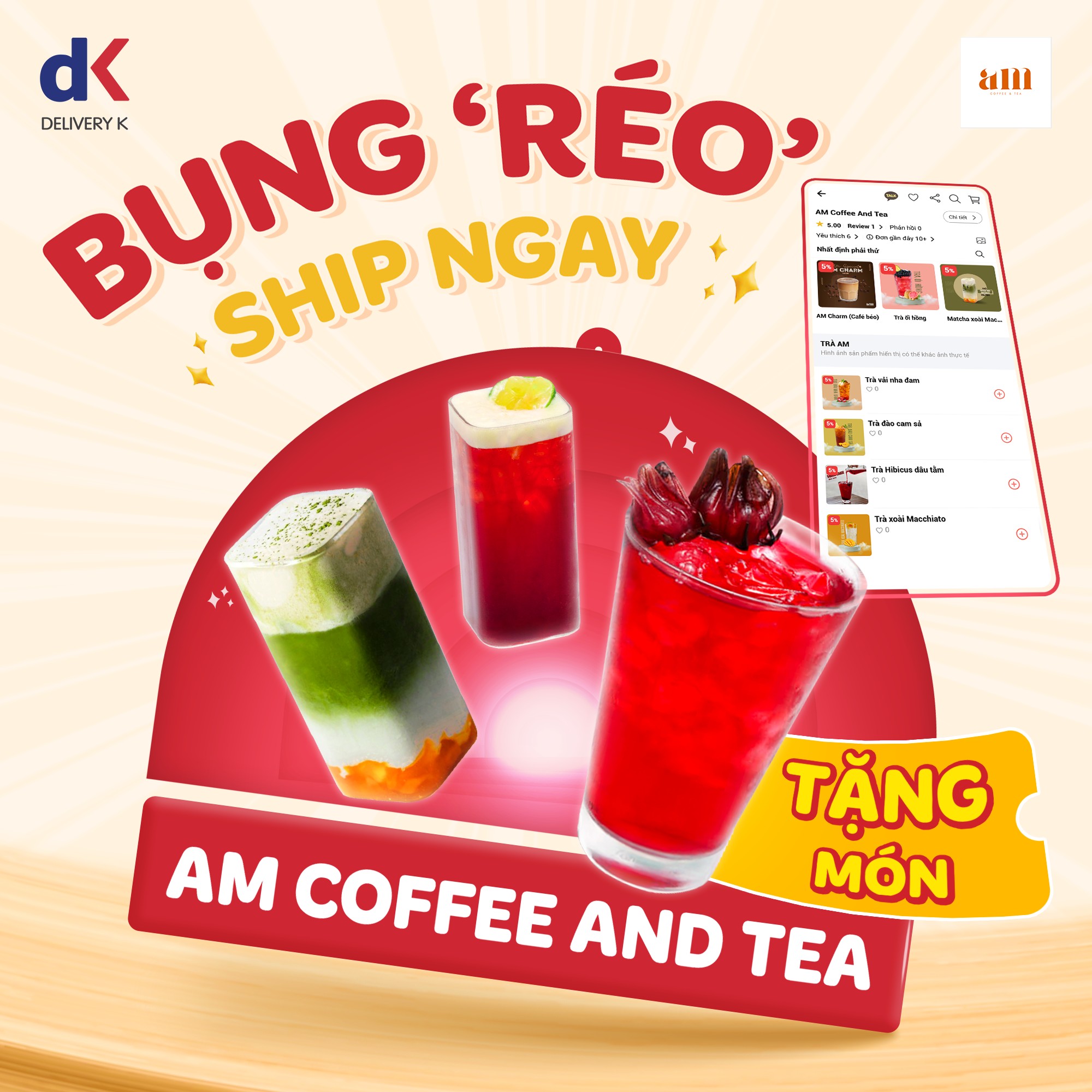
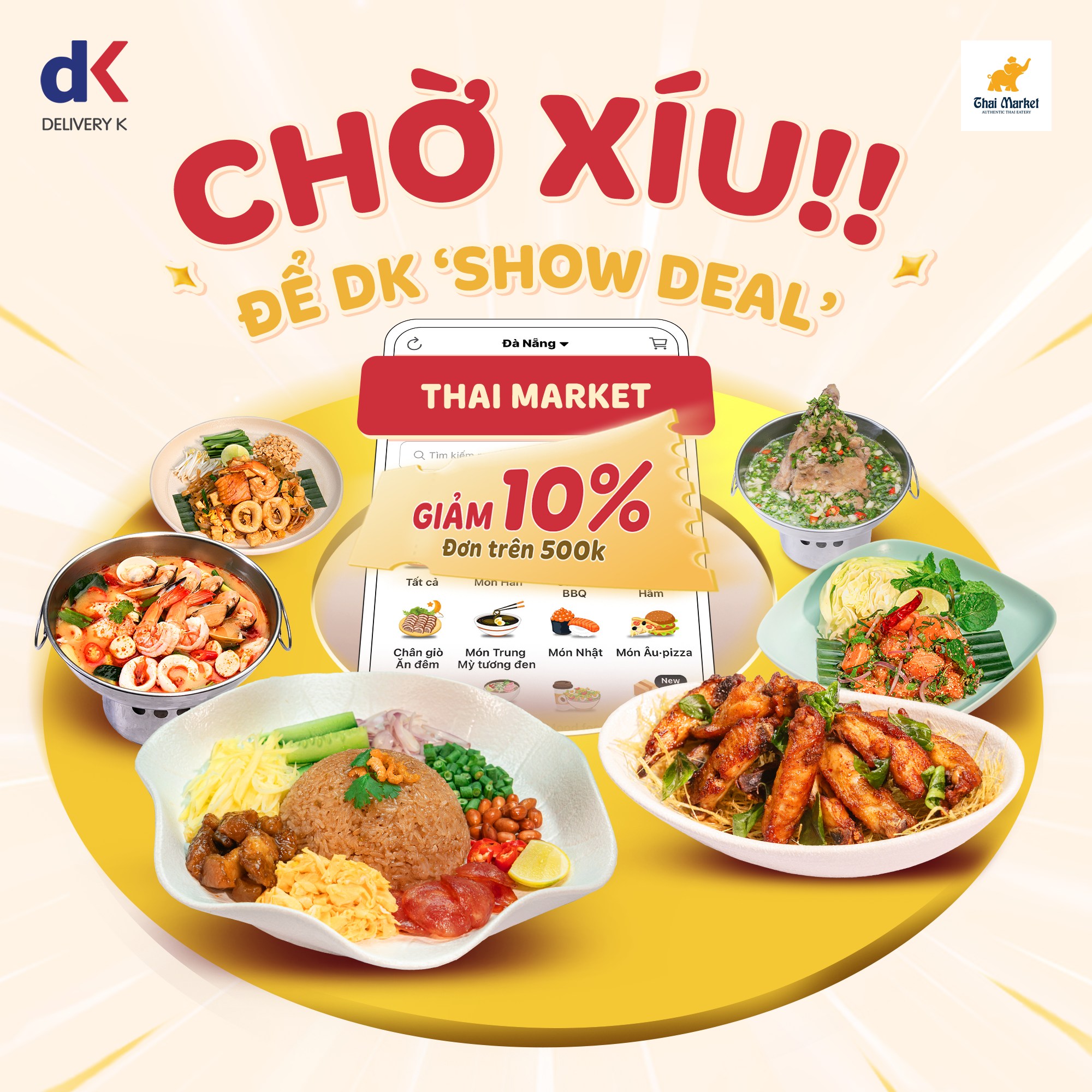
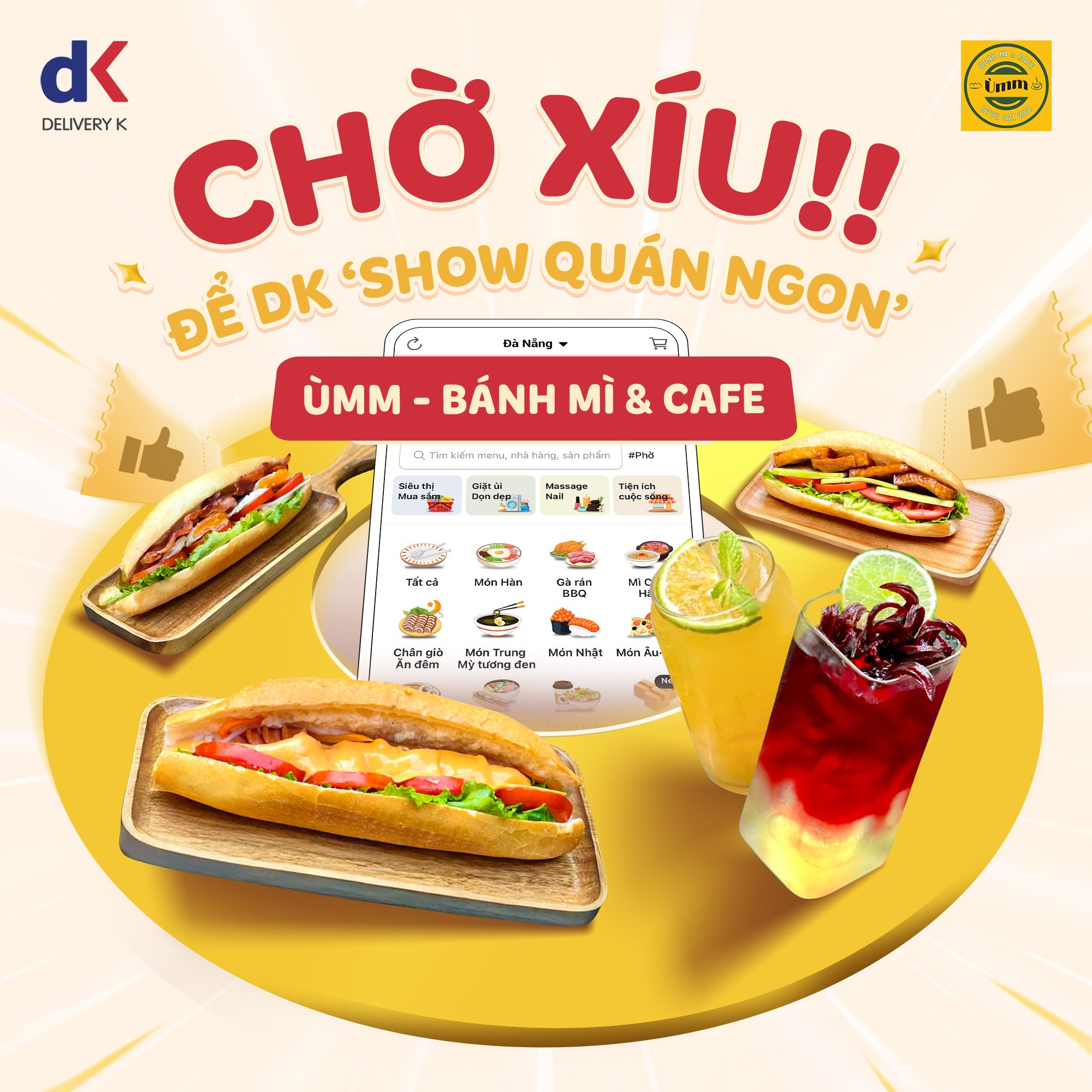
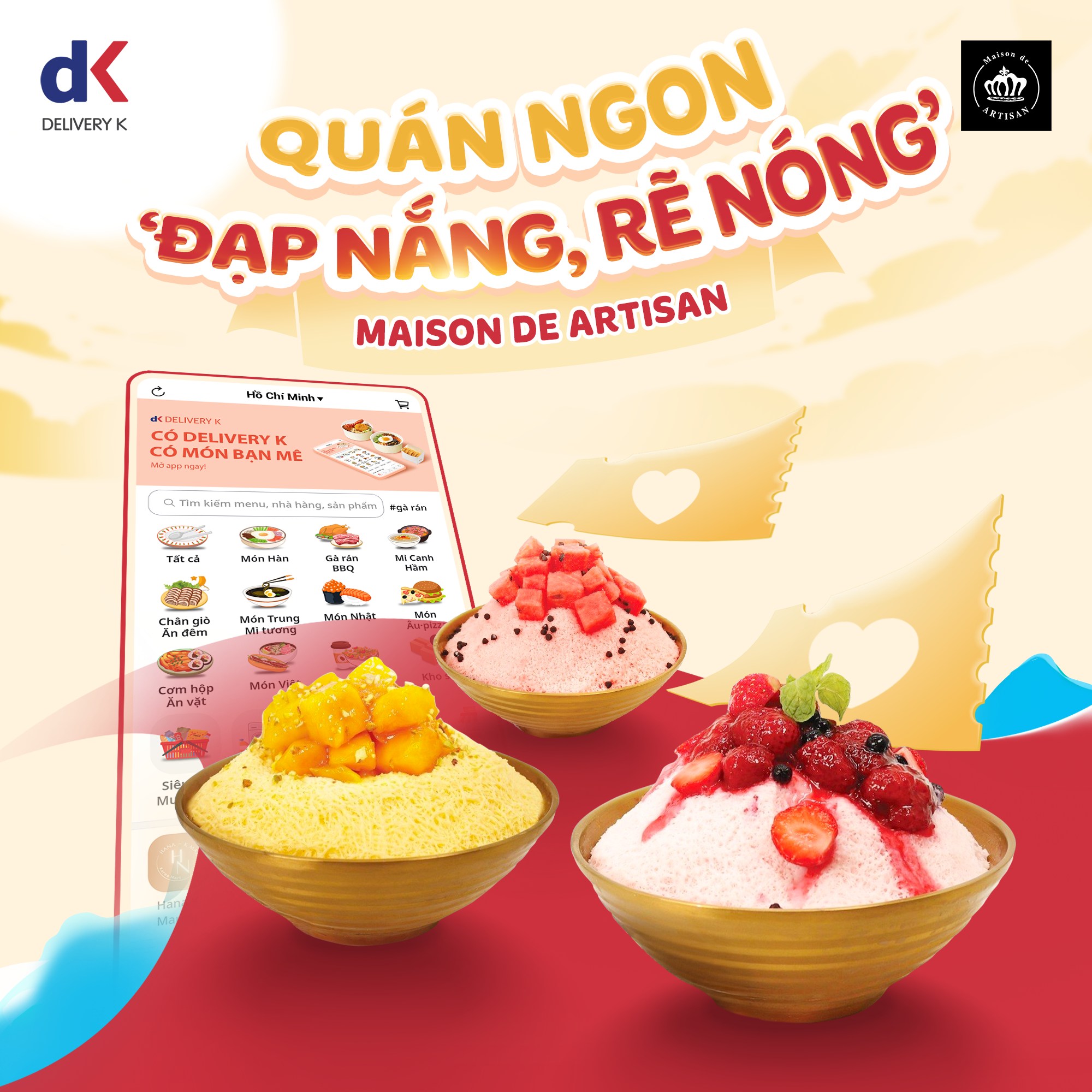
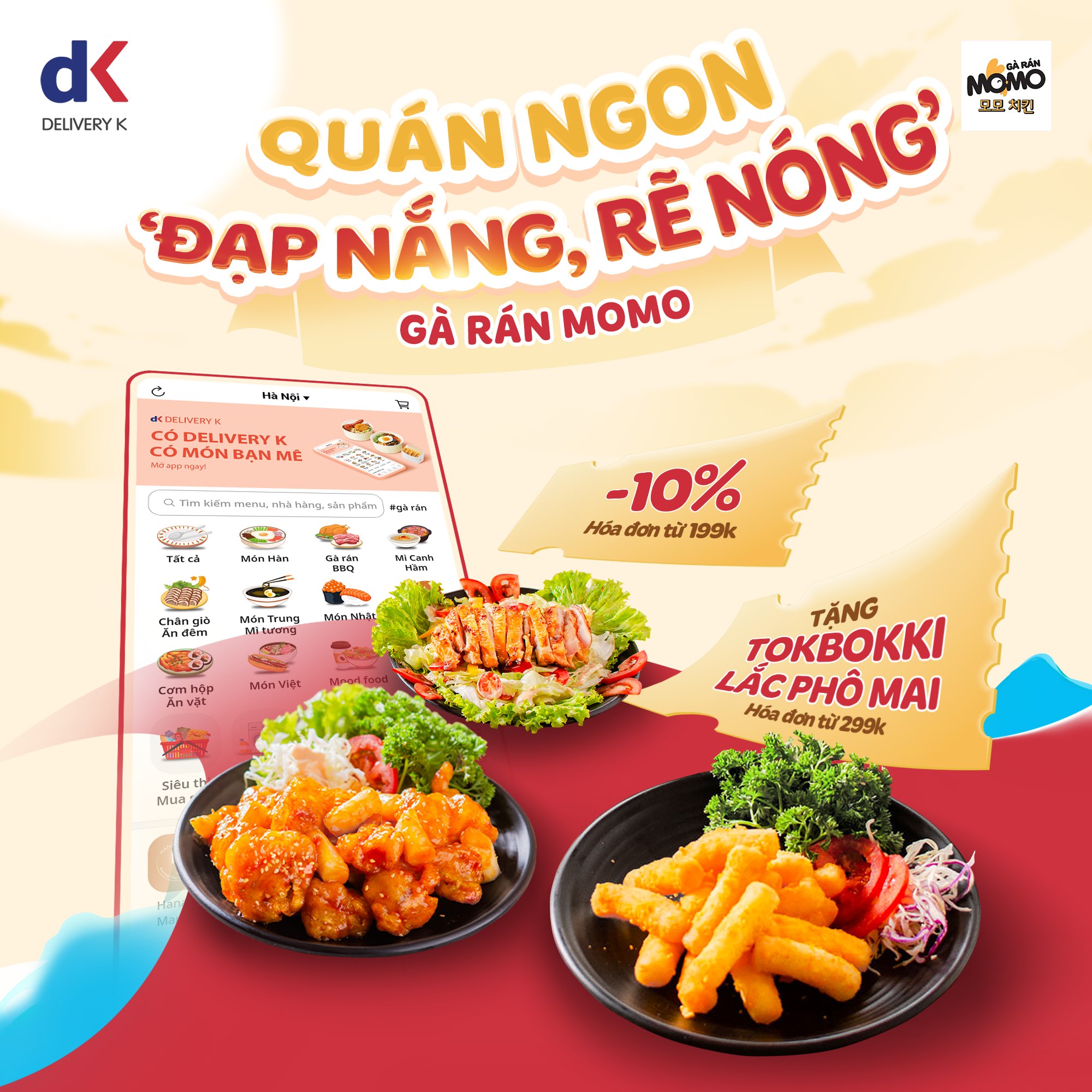
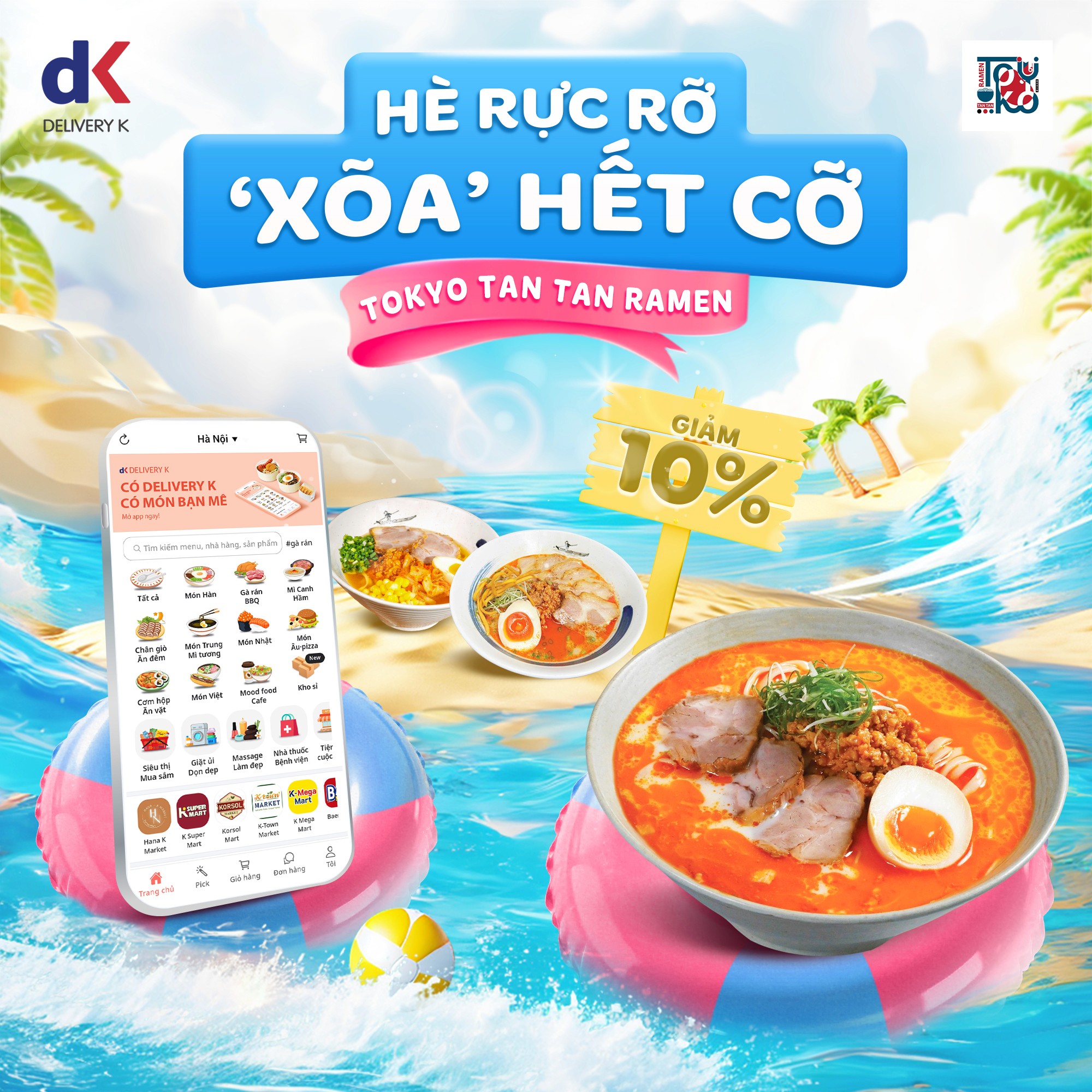
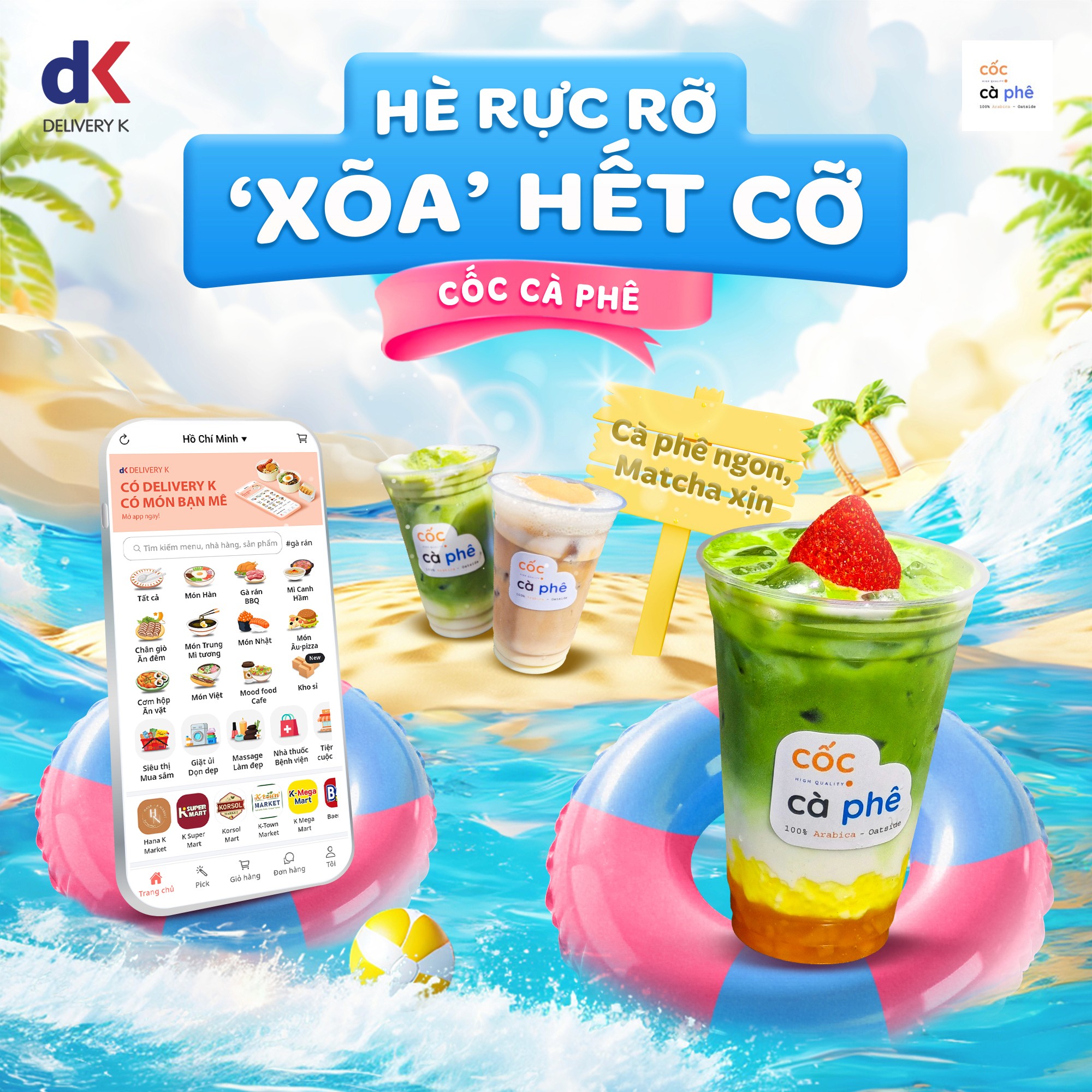
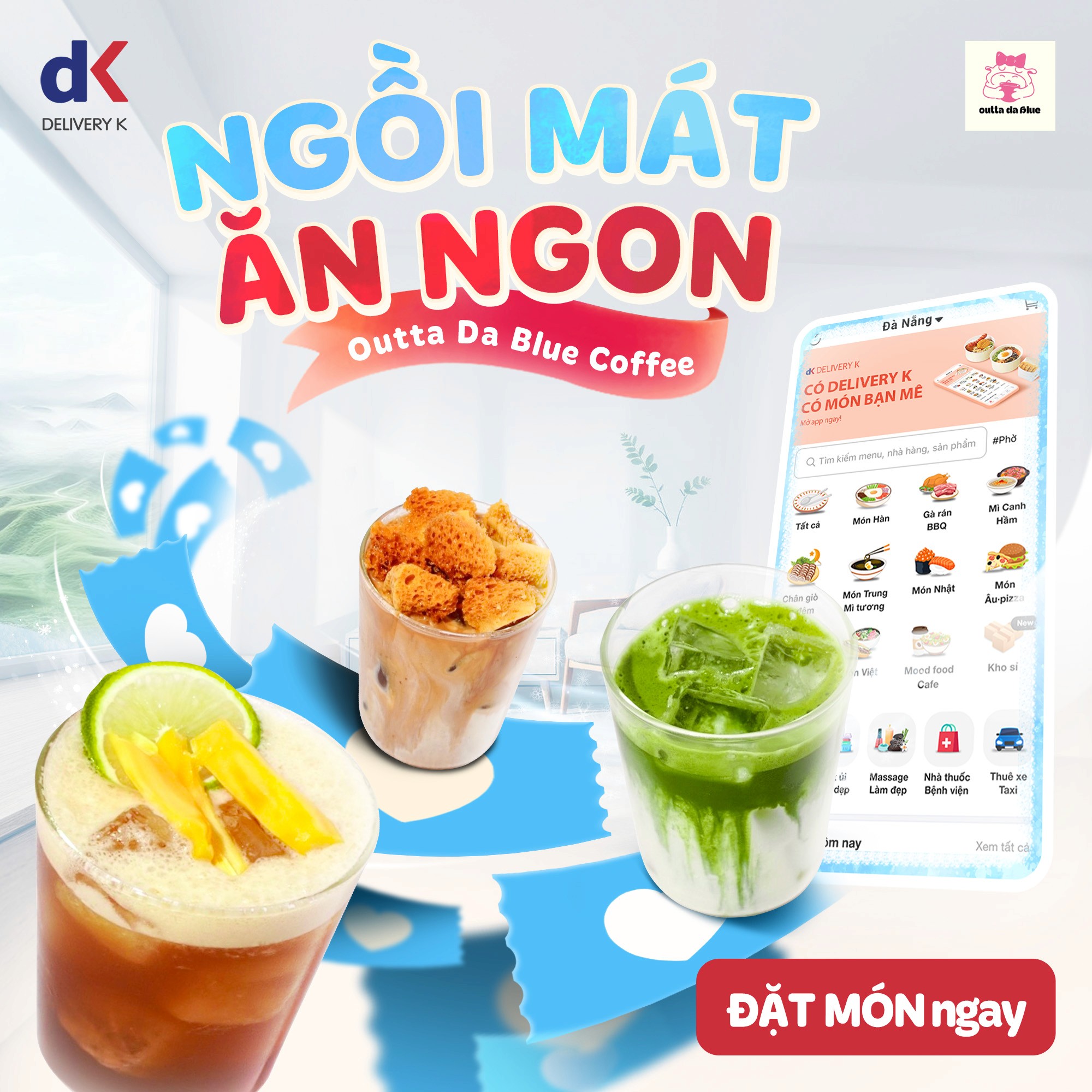
Brand visuals were inconsistent across communication channels.
The brand was often mistaken for generic food blogs because designs focused only on dishes without showing the brand logo, brand colors, or distinctive elements.
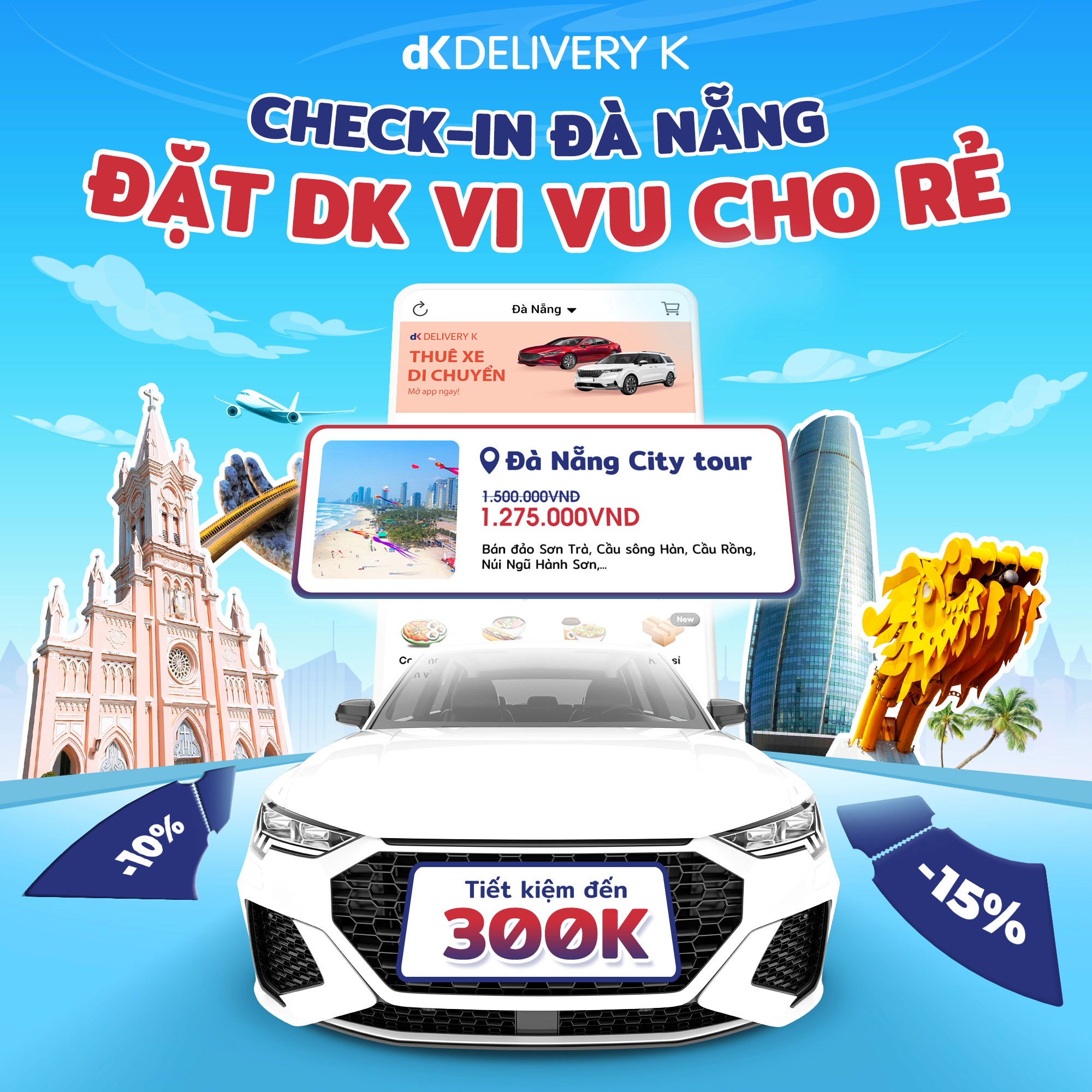
Key services beyond food delivery such as ride-hailing, grocery shopping, and beauty were rarely featured.
Solutions
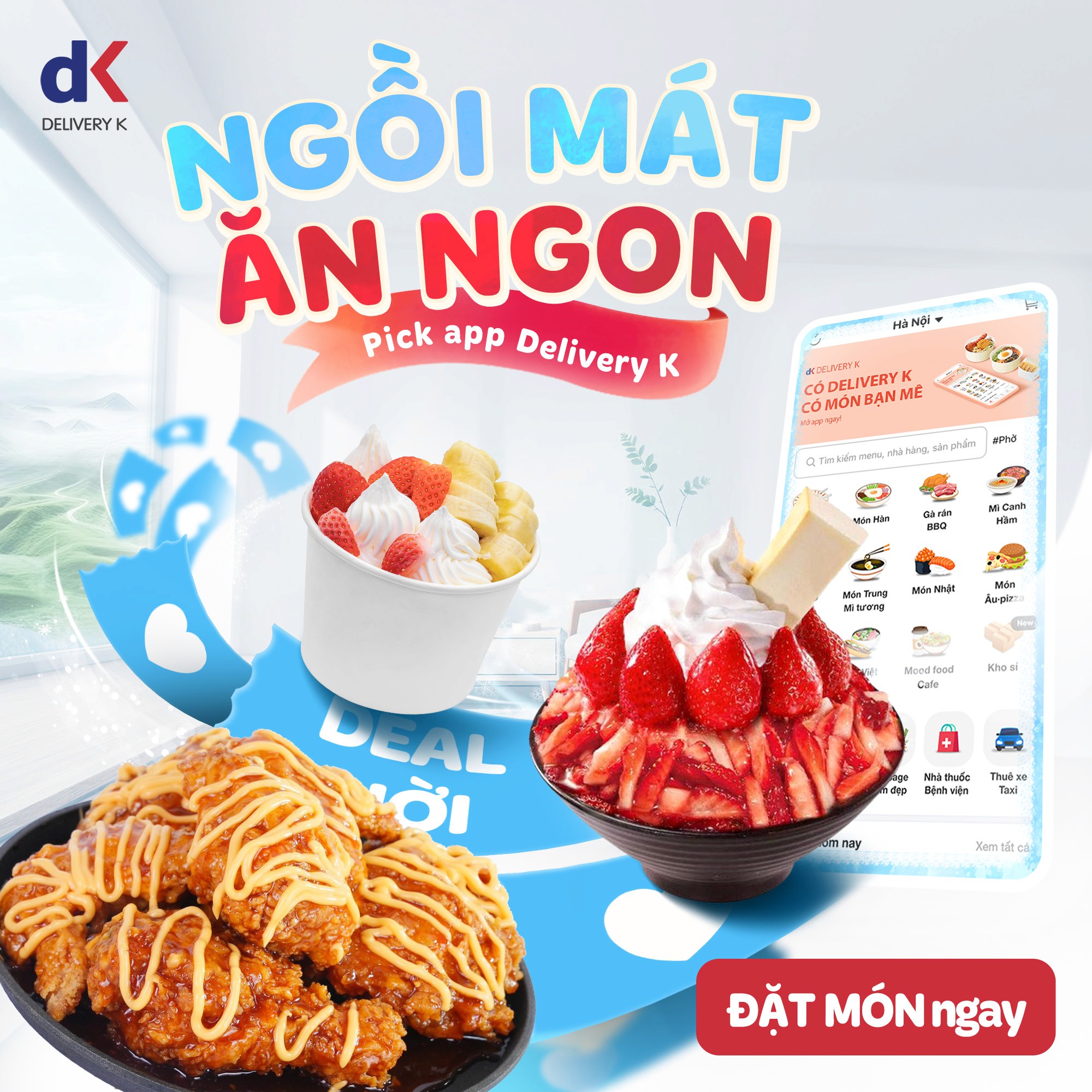
Standardized the brand color system:
Food-related services: Red as the primary color
Other services: Blue as the primary color
Integrated app visuals, logo, and color palette into all designs.
————— *Before —————
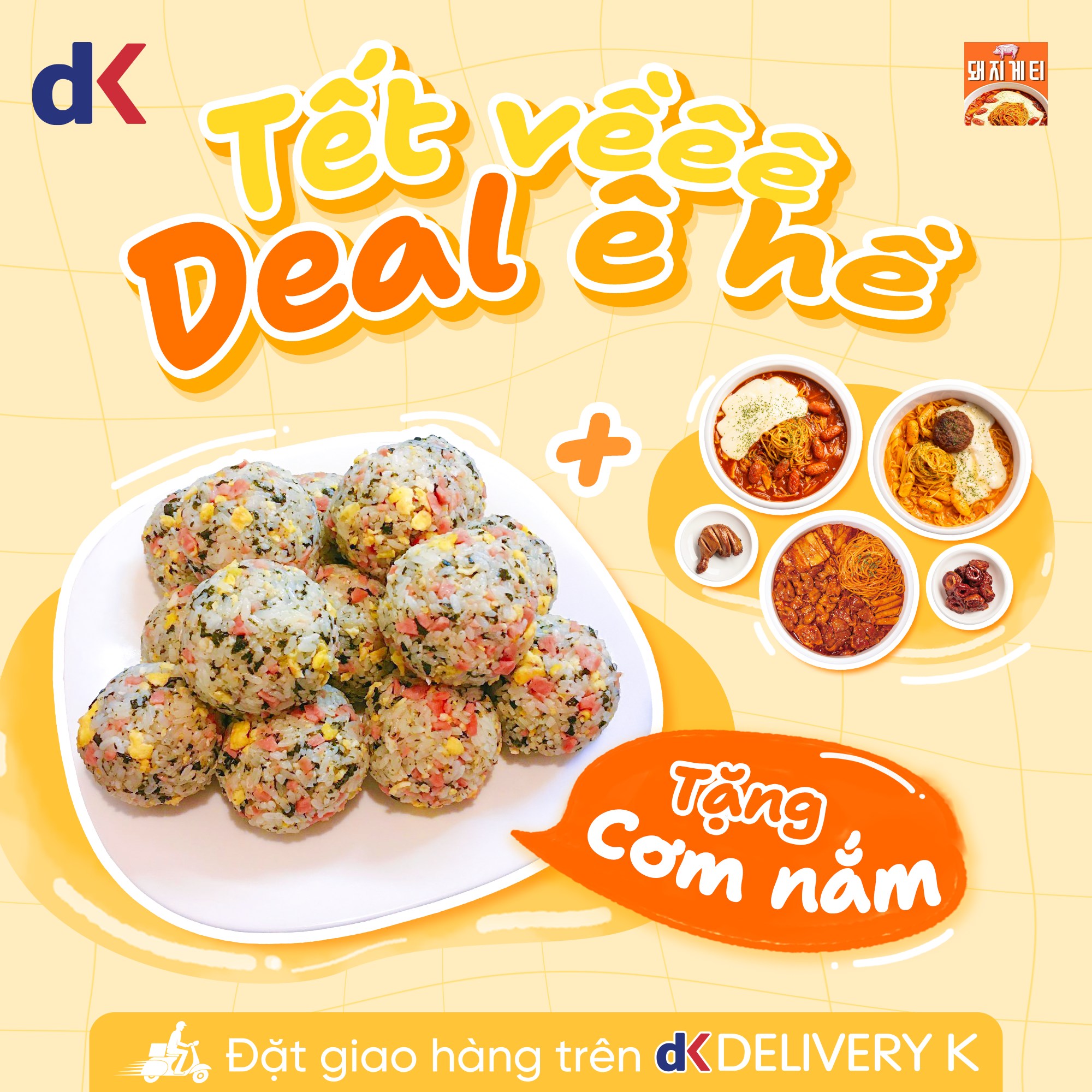
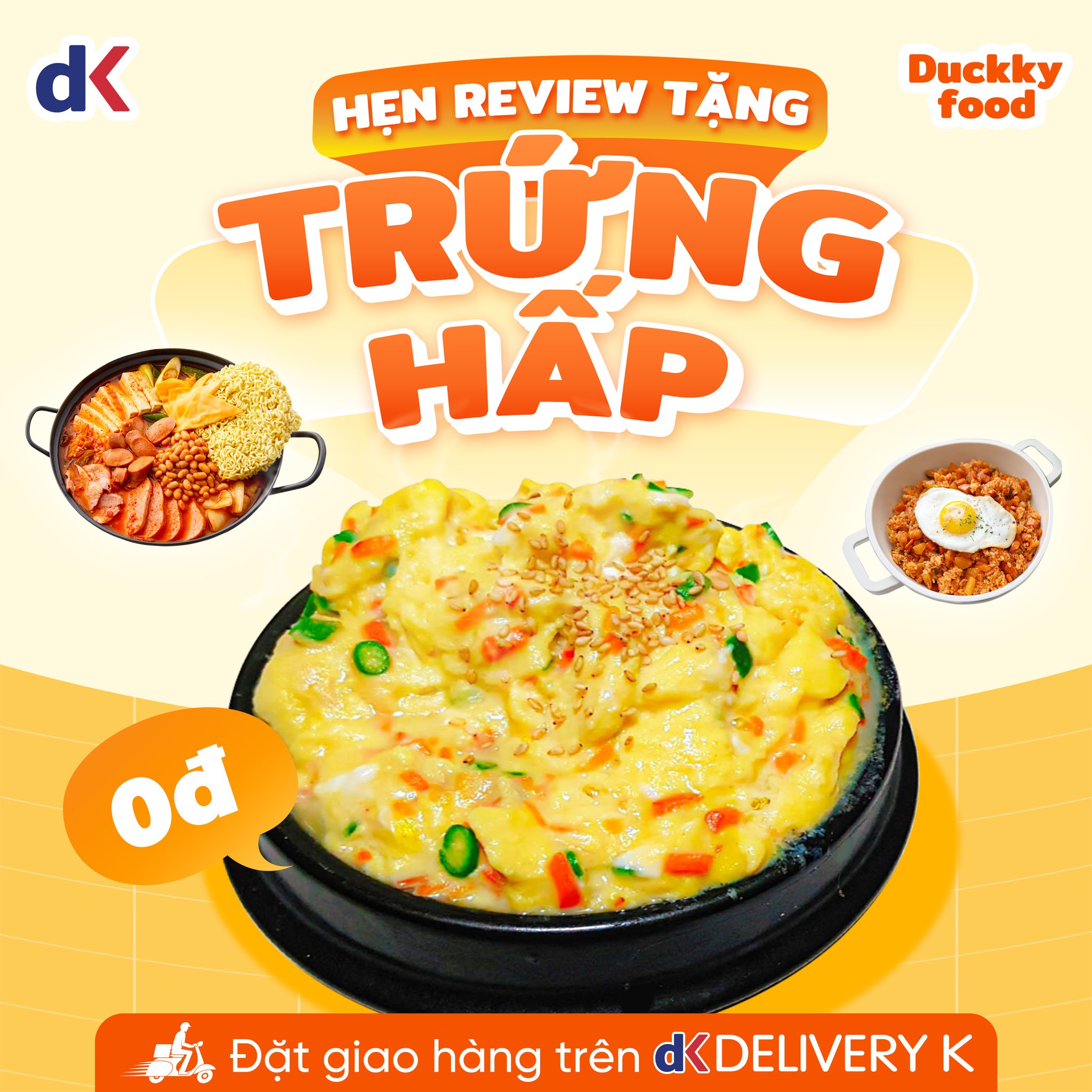
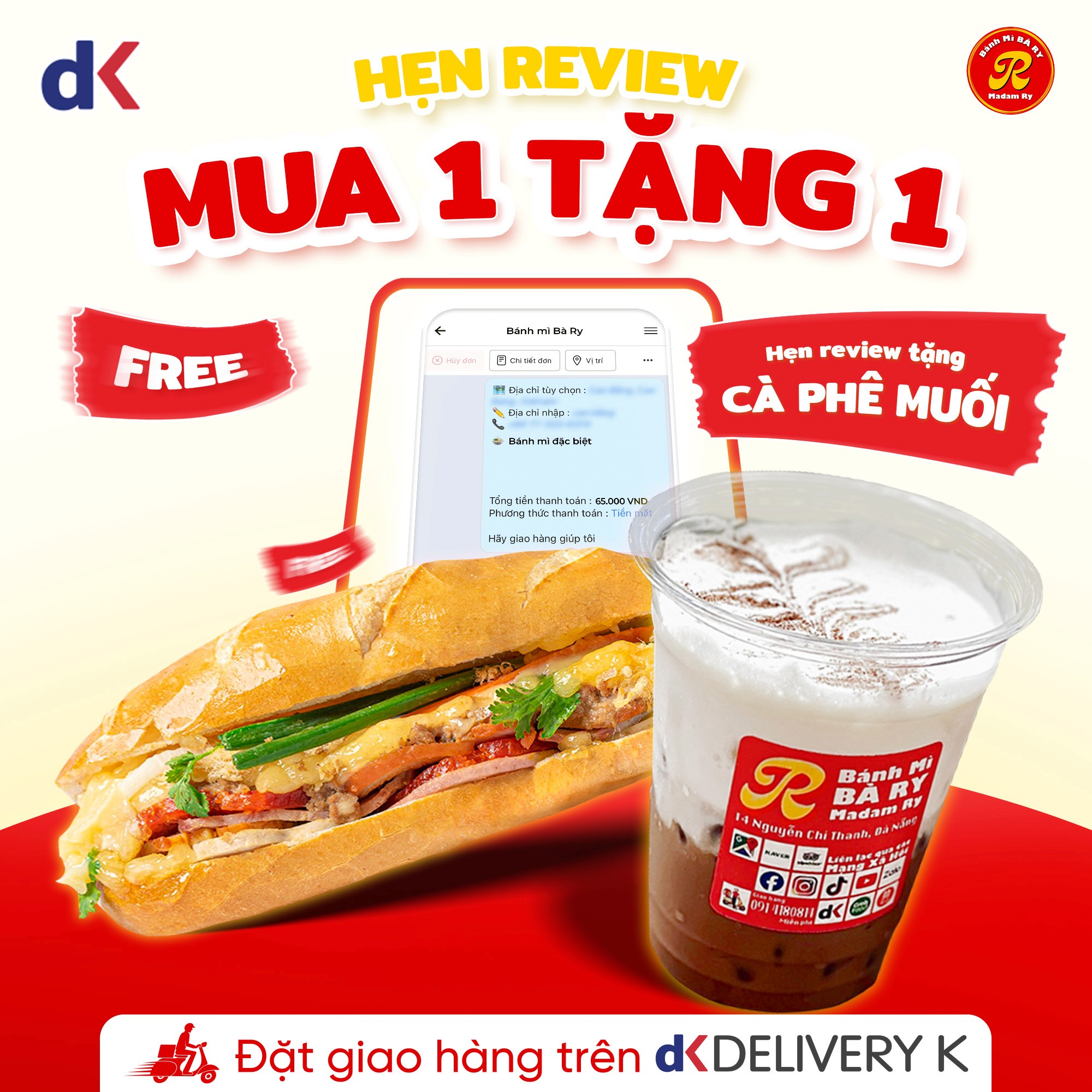
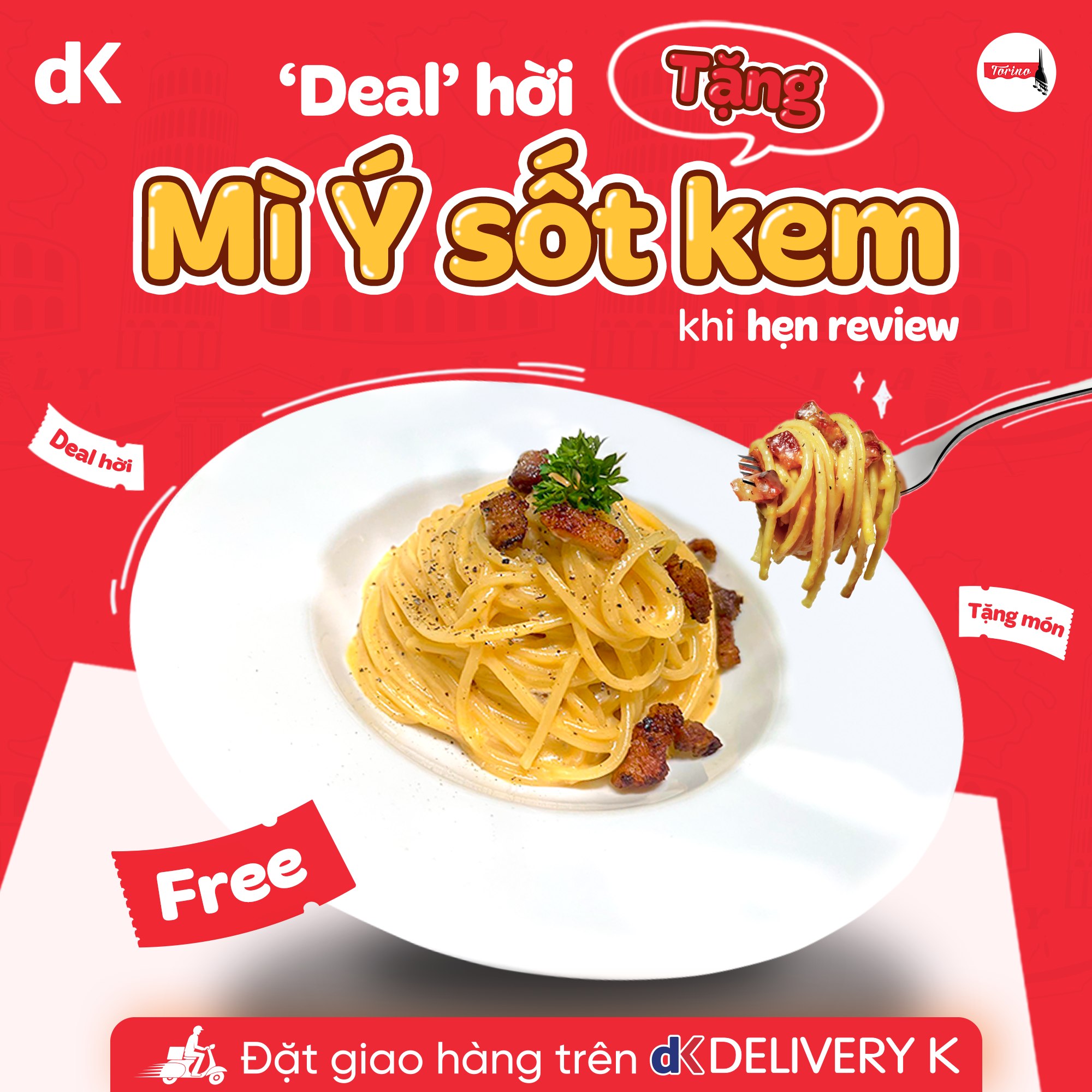
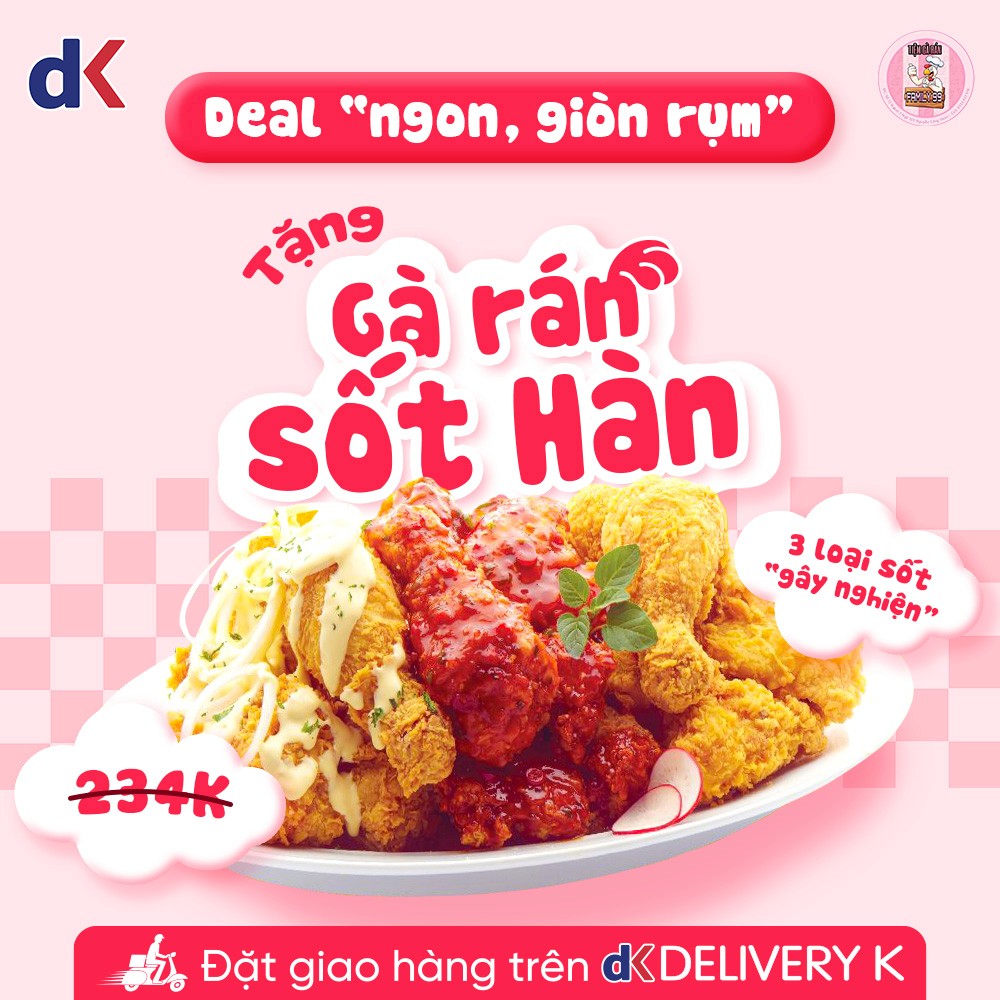
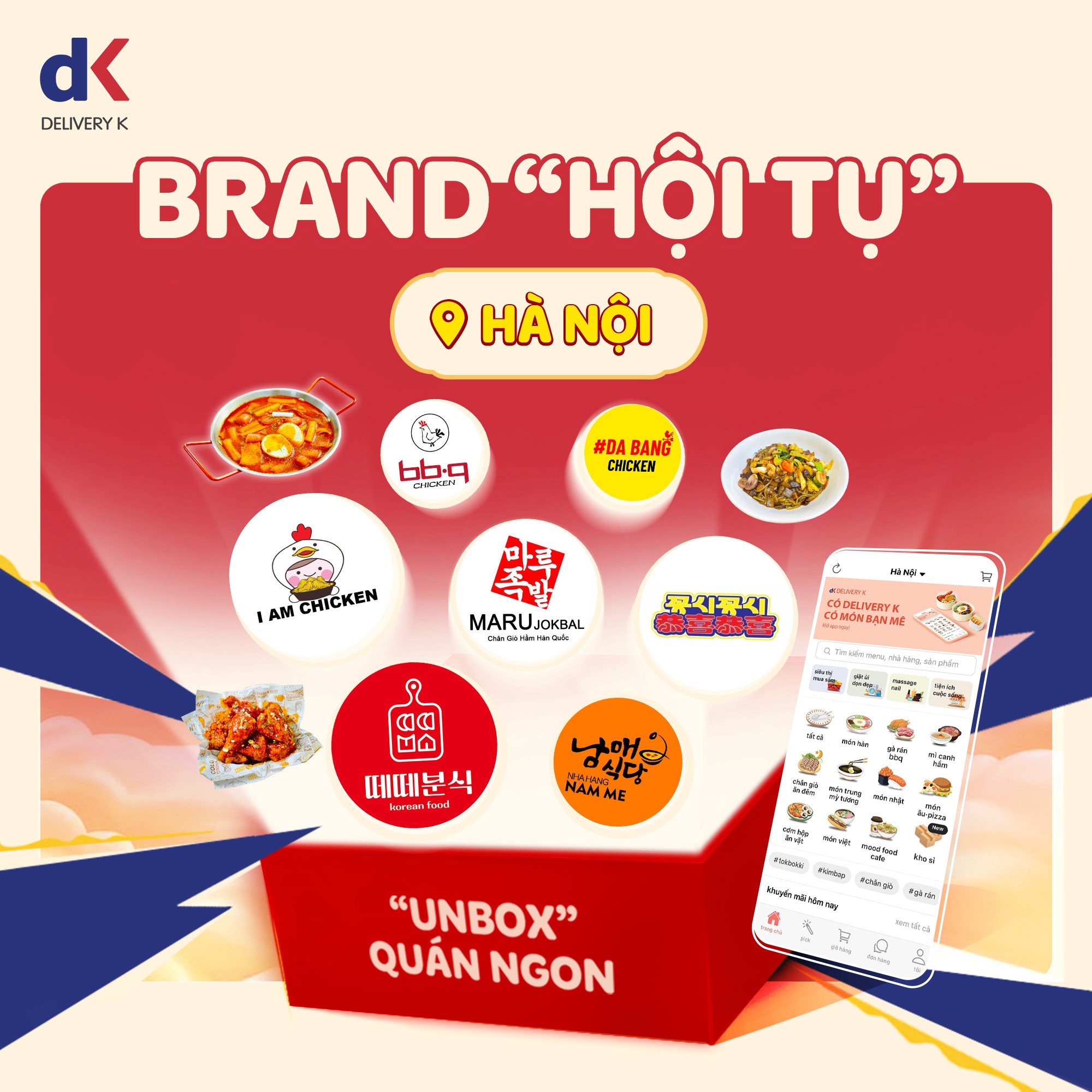
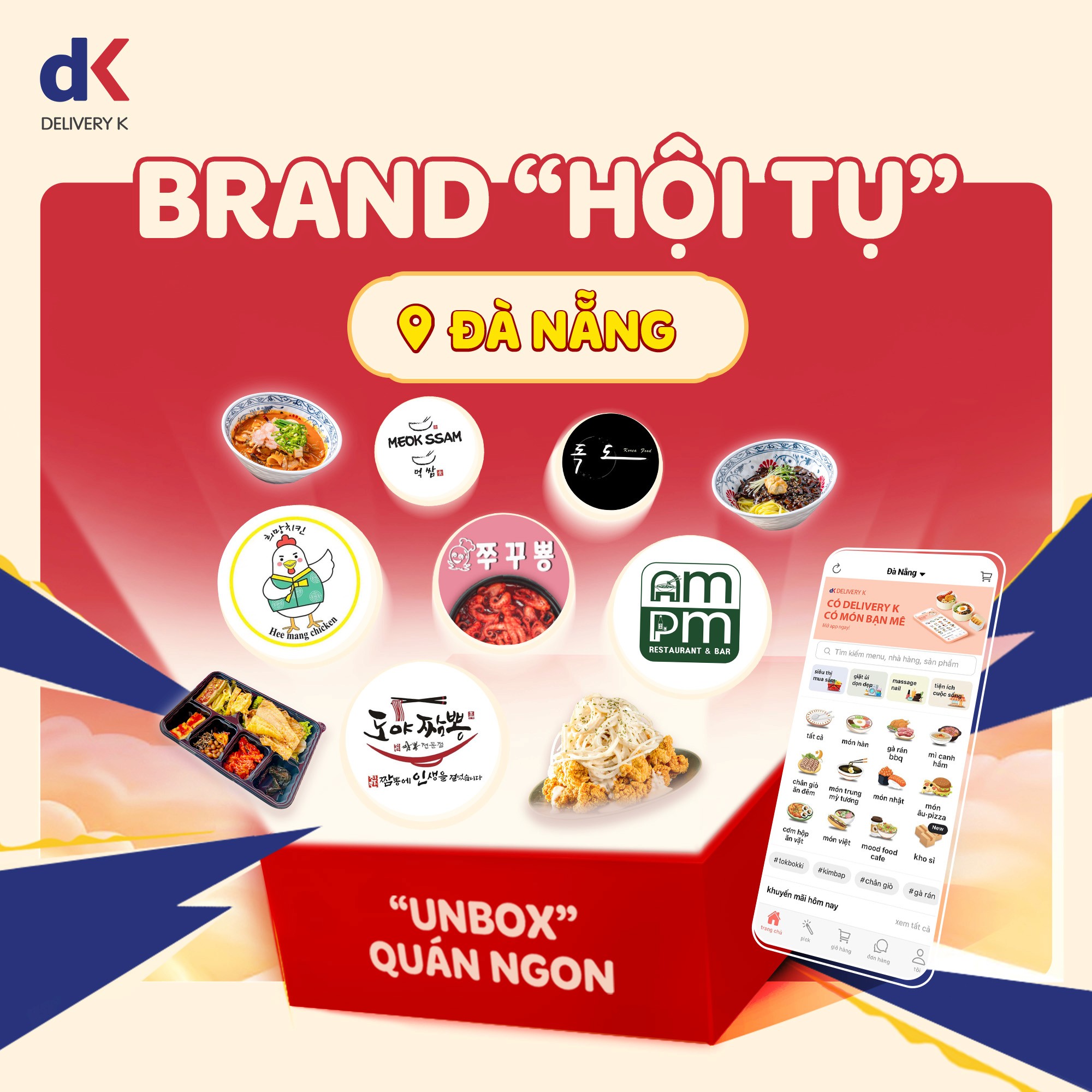
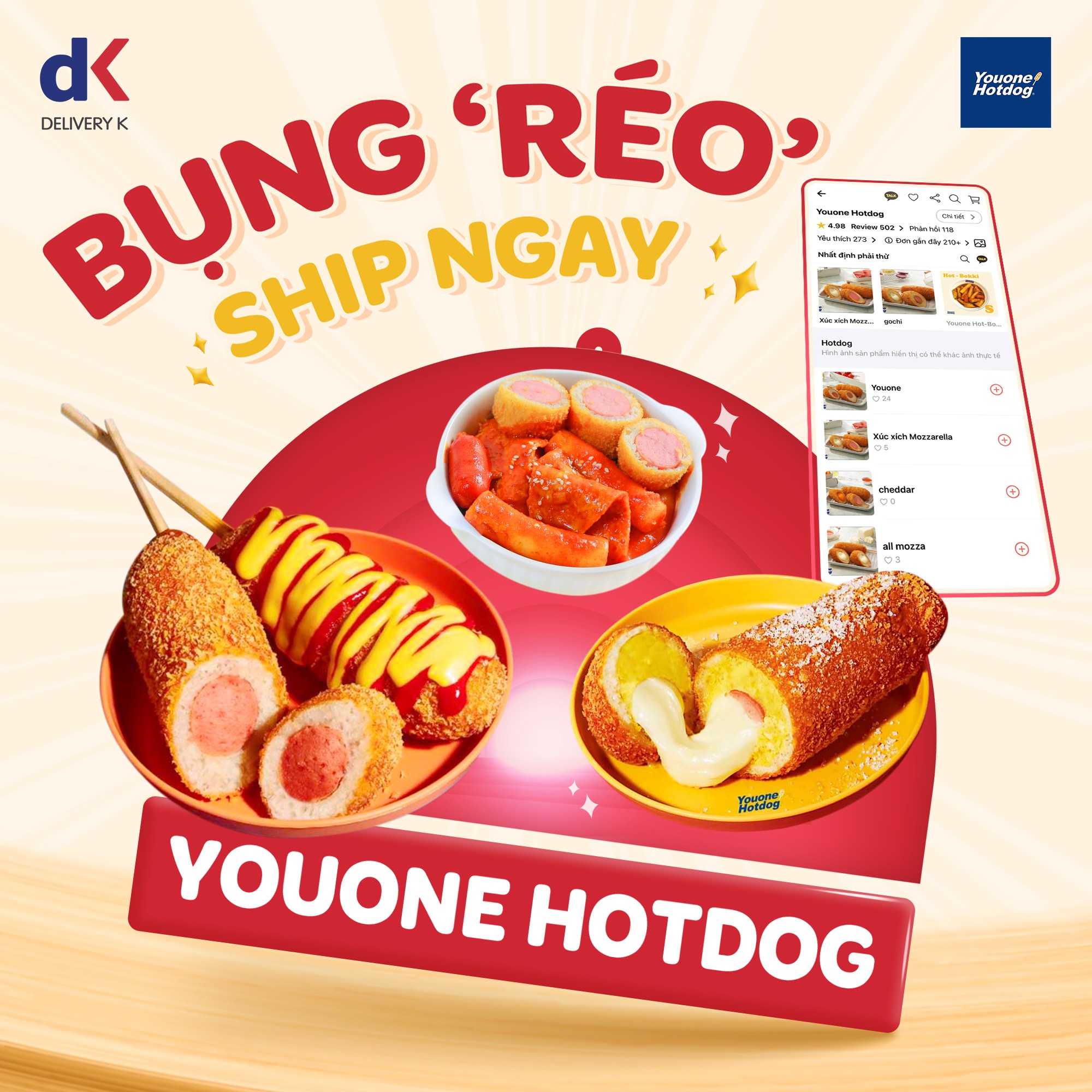



Achievements
Achieved consistent visuals across all channels, strengthening brand recall and association.
Increased audience awareness of the app’s multi-service offering.
Improved user recognition, reducing confusion with non-affiliated food blogs.
Merchant Registration Process
Context
Entirely manual merchant registration workflow, requiring repetitive data entry.
No automation to streamline data collection or lead qualification.
Missed opportunities to integrate lead capture directly from advertising platforms.
Solutions
Designed merchant registration forms on website integrated with the CRM via Google Sheets.
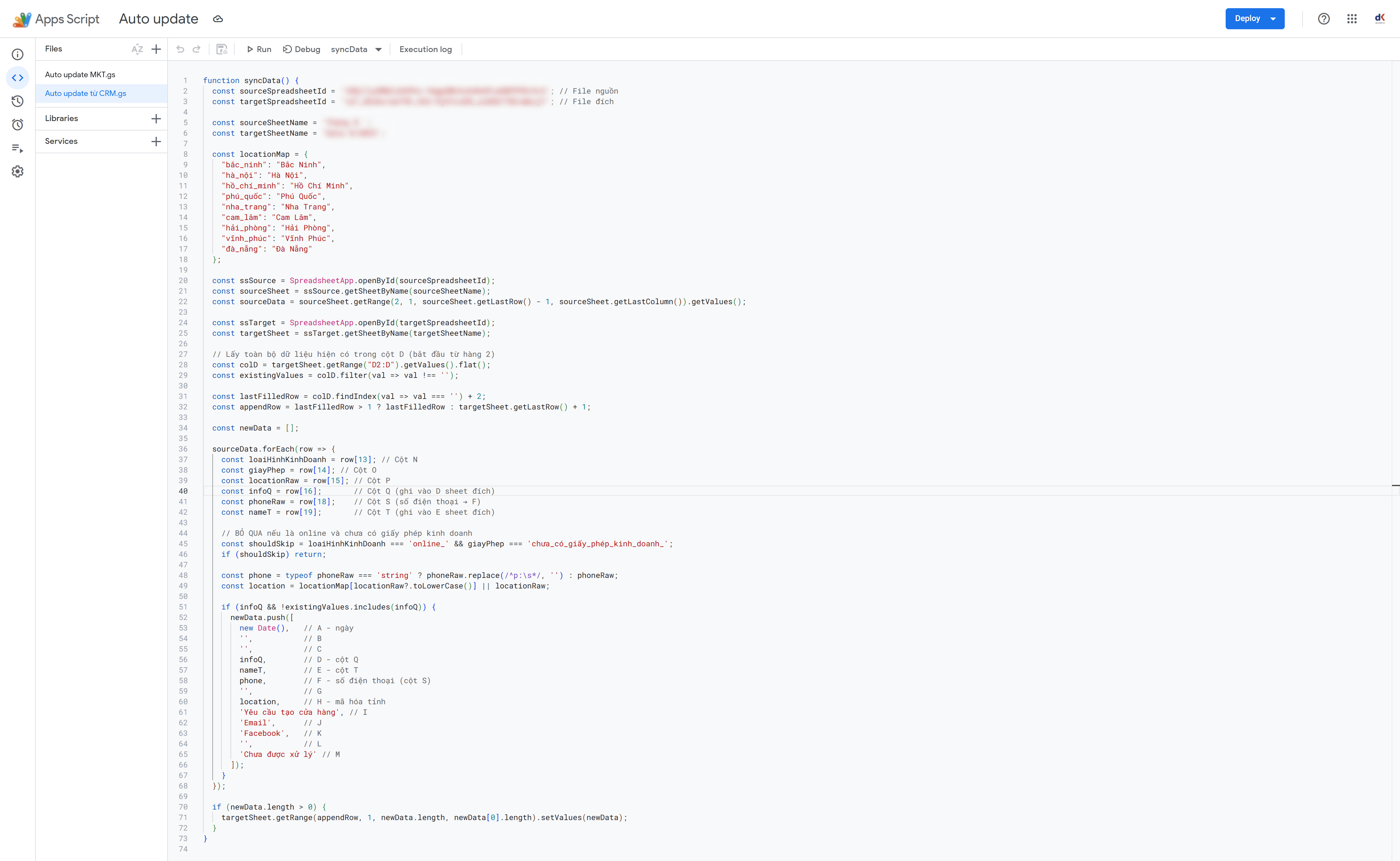
Built Google Apps Script to automatically sync new entries into the sales team’s master processing file.
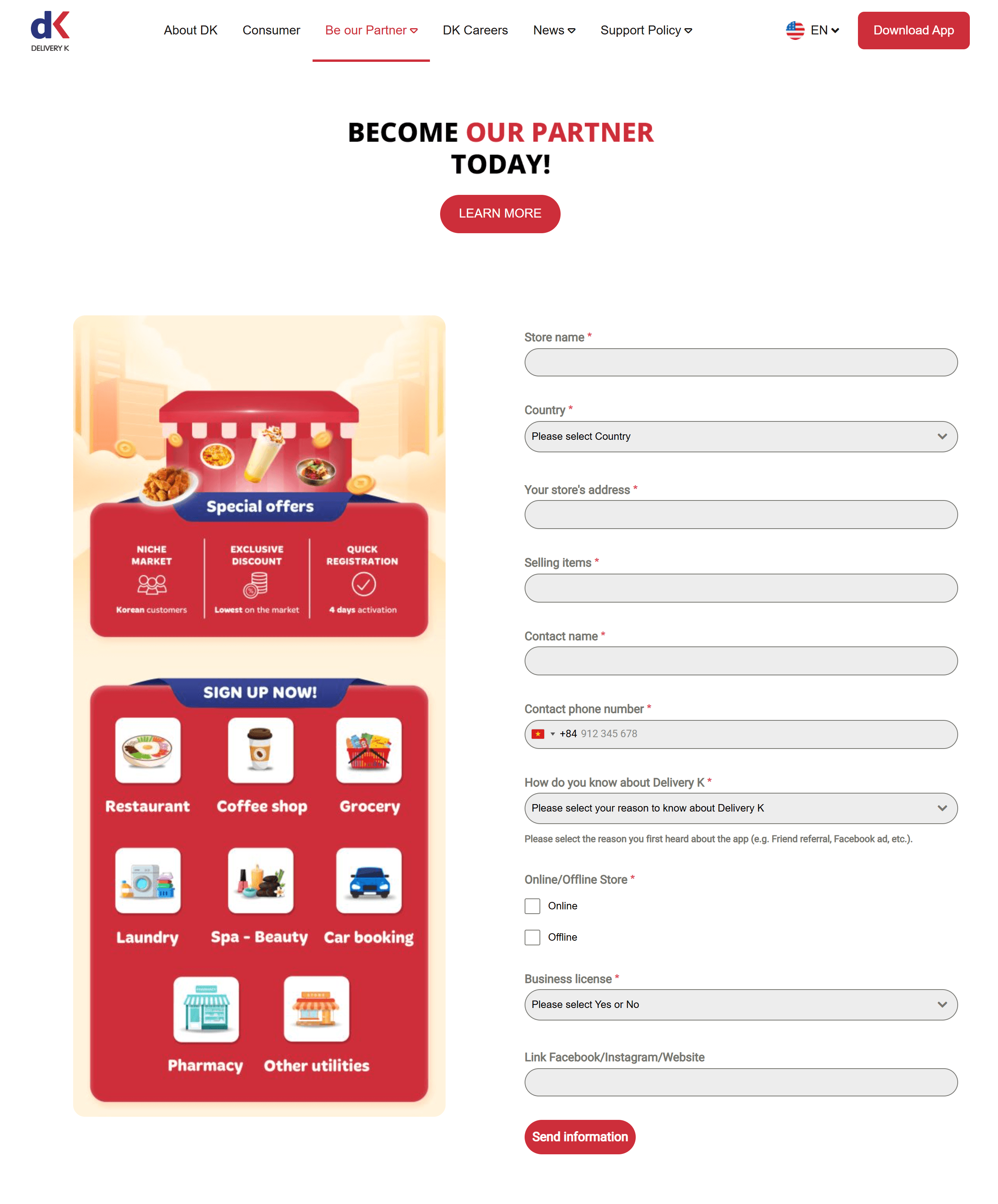
Here is a process I detail in my article on how I created and automated the merchant sign-up landing page.
Created Meta-integrated forms to capture leads and push them into CRM automatically.
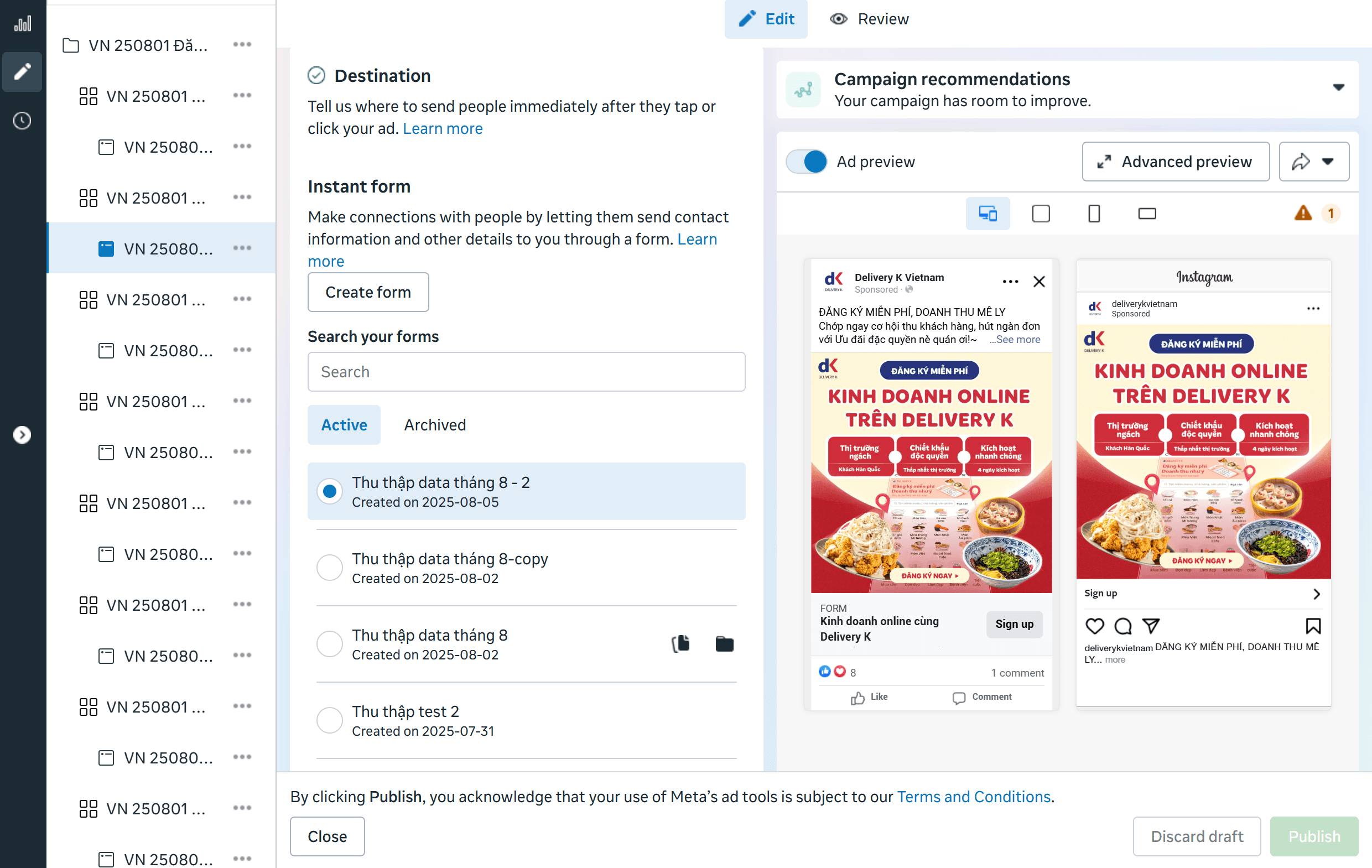
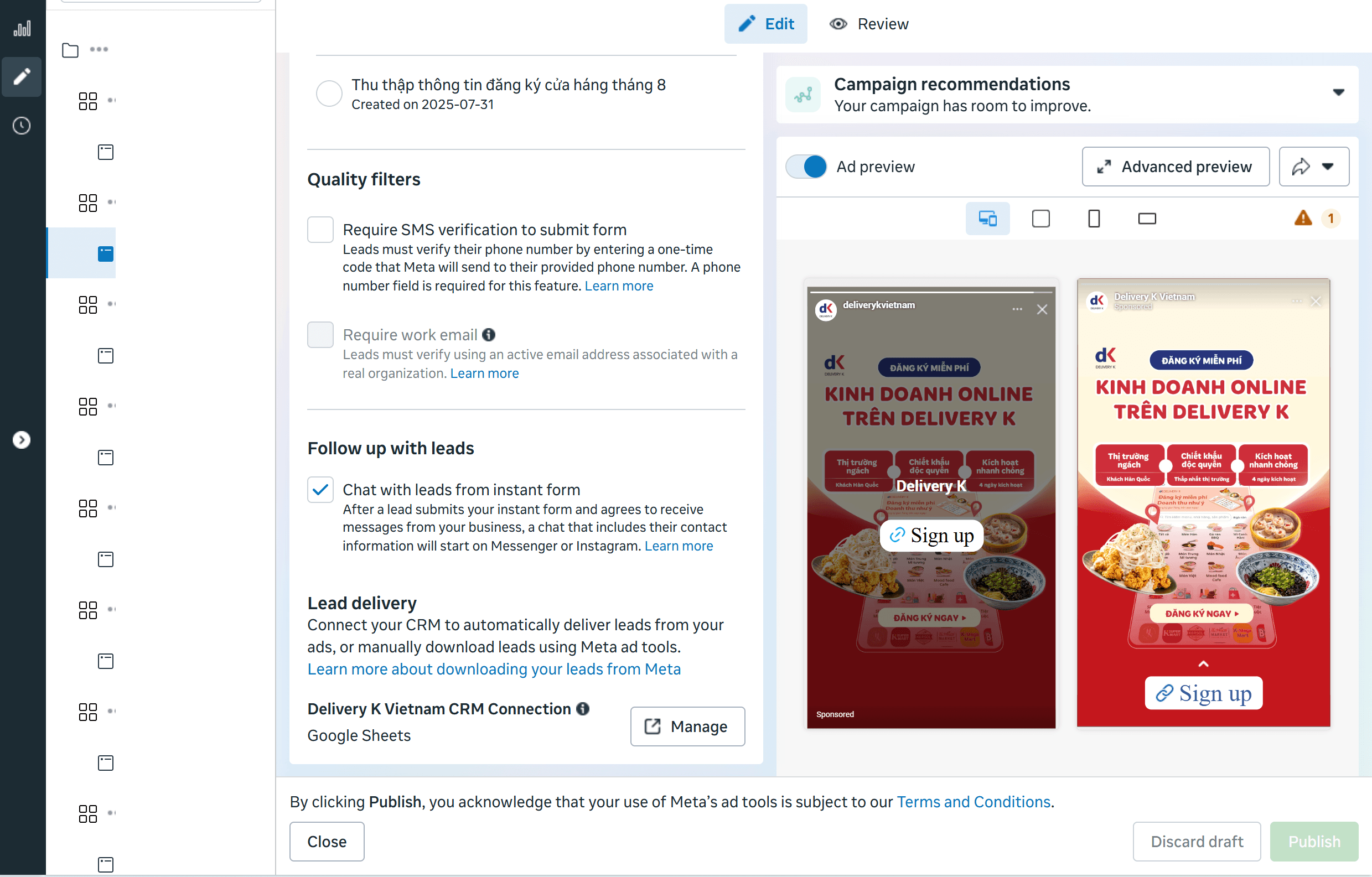
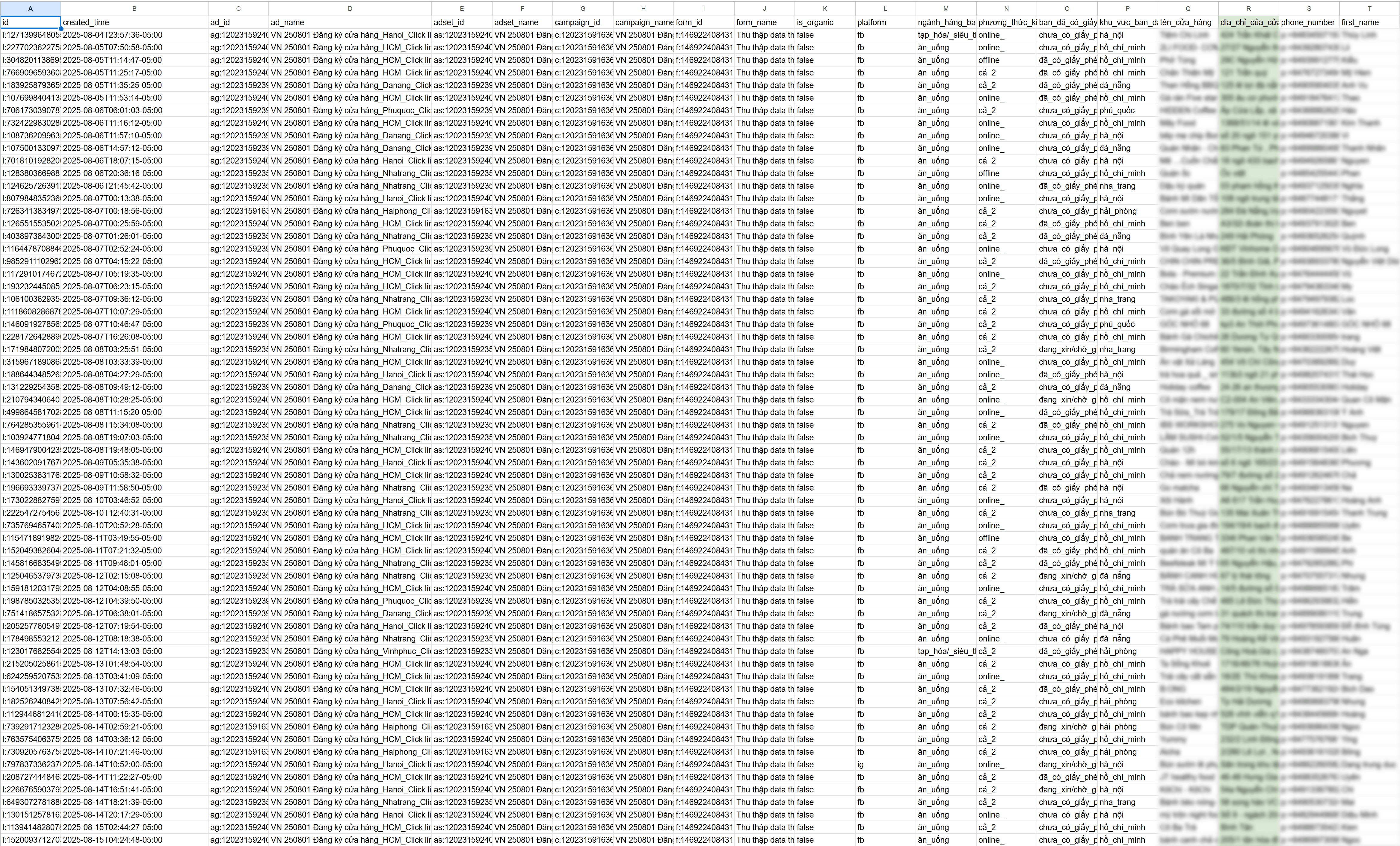
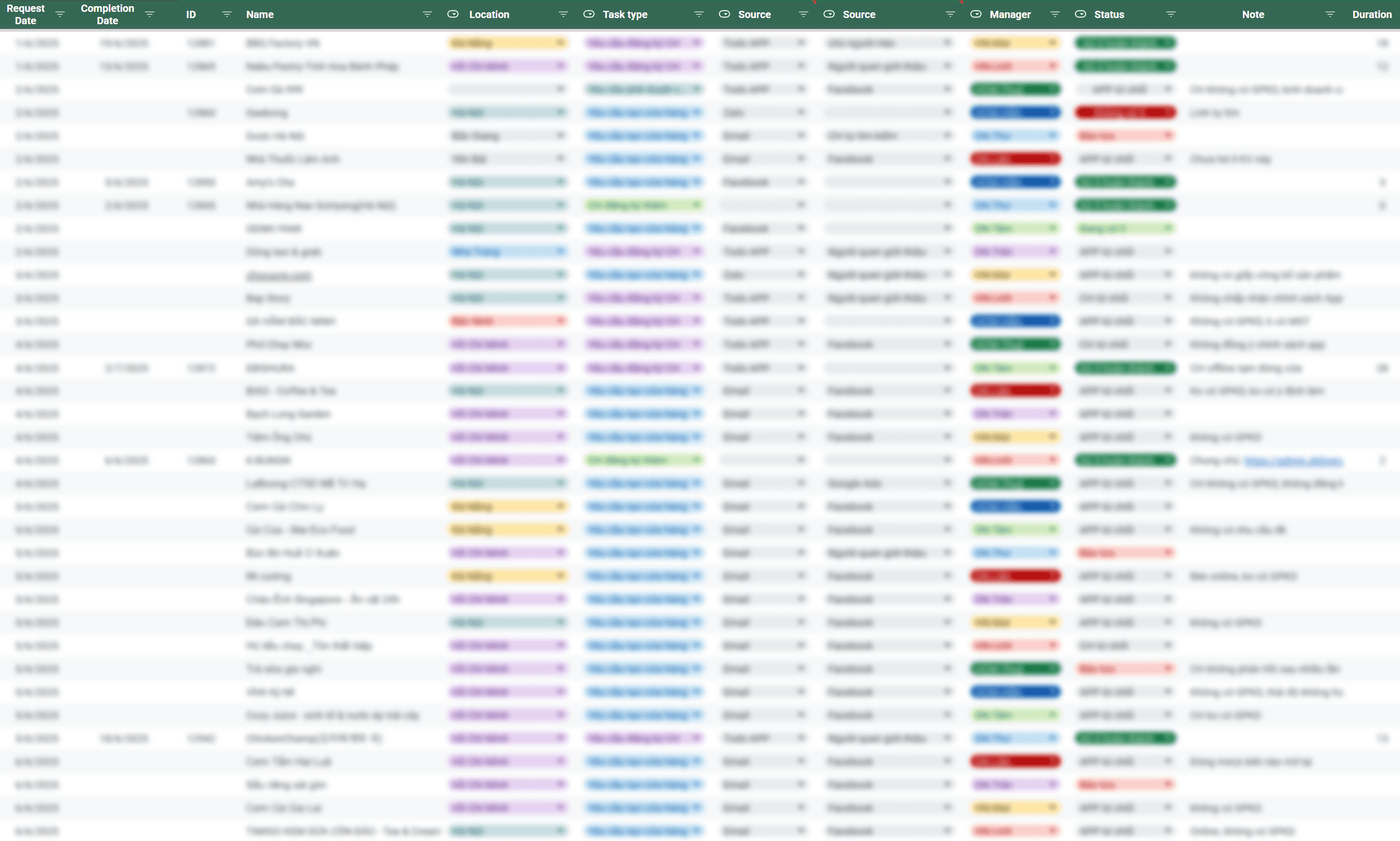
I applied AI to create a Google Apps Script that automatically encrypts and syncs CRM data to the Sales team’s internal processing file, reducing manual work and ensuring up-to-date information.
Achievements
Automated 80% of the merchant registration workflow.
Reduced Customer Service workload by 40%.
Increased the potential merchant pool by ~317% on average per month.